Architecture
Design that respects the island, the climate and your budget.
There are two honest ways to do this. Most builders only offer you one of them, and do not mention that there was a choice.
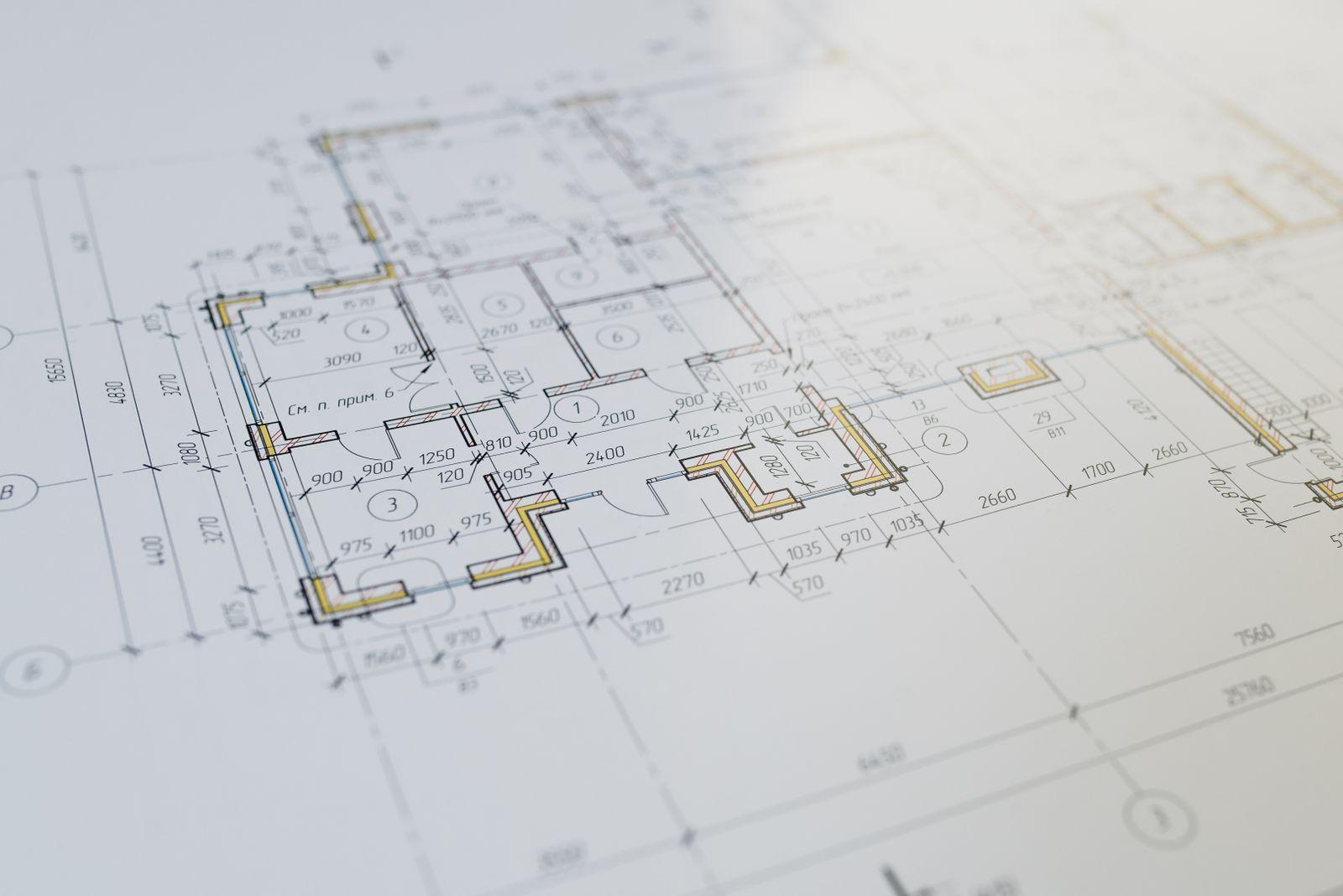
A villa in Bali can be designed by the builder's own in-house architect, or by an external architect you bring in independently. Both are legitimate, and both carry a real trade-off worth knowing before you choose, not just the one that is easy to point at. In-house is cheaper and the architect already knows exactly what this build team can do well, though he is also checking his own work. An external architect gives you an independent set of eyes, but a design drawn without daily knowledge of this specific contractor can specify materials priced differently to what you budgeted, or a system this crew would simply build differently, and sometimes better.
Our architects design for how Bali actually is: the humidity, the rain, the termites, the sun that fades everything it touches. Because design and construction sit under one roof when you use our in-house route, what gets drawn is what gets priced, and what gets priced is what gets built. If you want the independent check instead, we work alongside your architect rather than around them, and flag anything that will build differently to how it is drawn before it becomes a site problem.
In-house or external, honestly
We would rather you choose with the trade-off in front of you than discover it partway through a build.
| In-house, through the builder | External, your own architect | |
|---|---|---|
| Cost | Cheaper. The design is part of the build relationship. | An added fee on top of the build. Some of our external architect partners include site visits in that fee, others charge for them separately, and it is worth asking upfront which. |
| Who is checking the work | The same team that will build it. Thorough, and worth knowing he is also signing off on his own plans. | An independent party with no stake in how the build itself is priced. |
| Knowledge of the build team | Complete. He knows exactly what this crew can and cannot do well, and designs to it. | Has to be built from scratch, or comes from their own separate experience in Bali, which may or may not include this particular crew. |
| What can actually go wrong | A design shaped around what is easiest for this team to build, which can undersell what you actually wanted. | Materials specified more expensive or cheaper than you budgeted, or a system this contractor would have built differently and sometimes better, since the design was not drawn with daily knowledge of how this crew actually works. |
| Best for | Owners who trust the builder and want the simplest, most joined-up process. | Owners who specifically want the design checked by someone unconnected to the build price, and are comfortable managing the coordination that takes. |
Two real trade-offs, not one
Most builders in Bali only offer the in-house route, and most do not mention that an architect checking his own plans is a different thing from an architect checking someone else's. That is worth knowing. It is just as worth knowing that going external trades it for a different risk: a design drawn without the day-to-day knowledge of what this specific contractor builds well can end up specifying materials priced differently to what you budgeted, or a system this crew would have built a different way, sometimes a better one, had they drawn it themselves.
Neither route is the safe one and neither is the risky one. They are different trade-offs, and which matters more depends on what you value: the simplicity of one team drawing and pricing in step, or the independence of a design checked by someone with no stake in how the build is priced. Some clients pay the extra for external purely for that independence, and that is a completely legitimate reason to spend the money. Others are comfortable with the in-house route because they trust the relationship and the price-and-design coordination it gives them. We will tell you honestly which one fits how you want to work, rather than steering you toward whichever one we would rather sell.
If you bring your own architect, we do not treat that as a threat to the build. We work alongside them, build what is drawn, flag anything that will not build the way it is drawn or will land outside budget before it becomes a site problem, and price it the same way either route works: fixed scope, open-book cost reporting, nothing invented between the render and reality.
The design advantage nobody mentions: you can still change your mind
In Australia, Europe or the US you commit to stone, wood and finish decisions before the slab goes down, and changing course after that is limited and expensive. Bali is genuinely different. The range of materials and finishes available here is far wider, and meaningful changes mid-build are realistically possible in a way they are not at home.
That is an advantage worth designing around rather than apologising for. A design process that assumes you have already made every decision wastes the one real flexibility Bali gives you that building at home does not.
What we design for, specifically
Beautiful on the day of the photoshoot is the easy part. Beautiful in year five is the part that actually protects what you spent.
The climate
- Humidity that does not let up, even in the dry season
- Monsoon rain for months at a time
- Sun strong enough to fade a finish that was not chosen for it
- Termites, which a design can be detailed against rather than discovered by
The build
- Drawn and priced by the same process, so what is drawn is what gets built
- Waterproofing and drainage designed in from the start, not patched on afterward
- Materials specified for what is actually available here, not substituted later at the client's expense
What clients get wrong at this stage
Two things, consistently, and both are design-stage decisions as much as build ones.
The first is underestimating how hard doing it alone actually is. People arrive expecting to drop a budget and end up with a luxury villa earning well, without accounting for what a proper design and oversight process actually involves. It is the quickest way we see people lose money.
The second is confusing cheaper with cheap. Building in Bali is genuinely far cheaper than building the equivalent at home, wherever home is. It is not dirt cheap, and a finish that would cost millions in Australia, Europe or the US does not arrive here for a fraction of the price just because the country is cheaper to build in. Getting clear on a realistic budget for the finish you actually want is a design-stage conversation, not something to discover once the quotes come in.
Questions worth asking before you choose
- Should I use your architect or bring my own?
- Both work, and both carry a real trade-off rather than one safe choice and one risky one. Ours is simpler, cheaper, and the design and the price move in step because the same team does both. Your own gives you an independent check, at the cost of a design drawn without this crew's day-to-day knowledge of what it builds well, which can show up as a material priced differently to budget or a system we would have built another way. We will tell you honestly which one suits how you want to work.
- What actually goes wrong with an external architect's design?
- Not dishonesty, usually mismatch. A design drawn without daily knowledge of this specific contractor can specify a material more expensive or cheaper than you budgeted for, or a system this crew would build a different way, sometimes a better one. We review an external set of drawings before pricing them specifically to catch this, and flag it to you rather than quietly substituting something else.
- If I bring my own architect, do you still manage the build?
- Yes. We build what is drawn and price it the same way either route works: fixed scope, open-book reporting. Your architect's site visits sit alongside our own progress reporting rather than replacing it.
- Can I still change finishes partway through?
- Realistically, yes, far more than you could in Australia, Europe or the US. The range of stone, wood and finish available here is wide, and meaningful changes mid-build are possible. What changes the price is the scope of the change itself, not whether change is allowed at all.
- How does design stay connected to what things actually cost?
- Through the in-house route, the same process draws and prices the villa, so what gets designed is what gets built, not a render that turns into a change order later. If you use an external architect, we price what they draw and flag anything that will not build the way it is drawn before it becomes a problem on site.
Where this comes up